Why I Built Reflexio E-Books
A personal story about attention, reading, reflection, and the idea behind Reflexio E-Books.

Hello, Substack!
My name is Radomir, and I am the founder of Reflexio E-Books. For this first post, I want to share what Reflexio is, why I built it, and some of the experiences that led me here. I am new to Substack, so I am still working out what and how often I will publish. For now, this feels like the right place to begin.
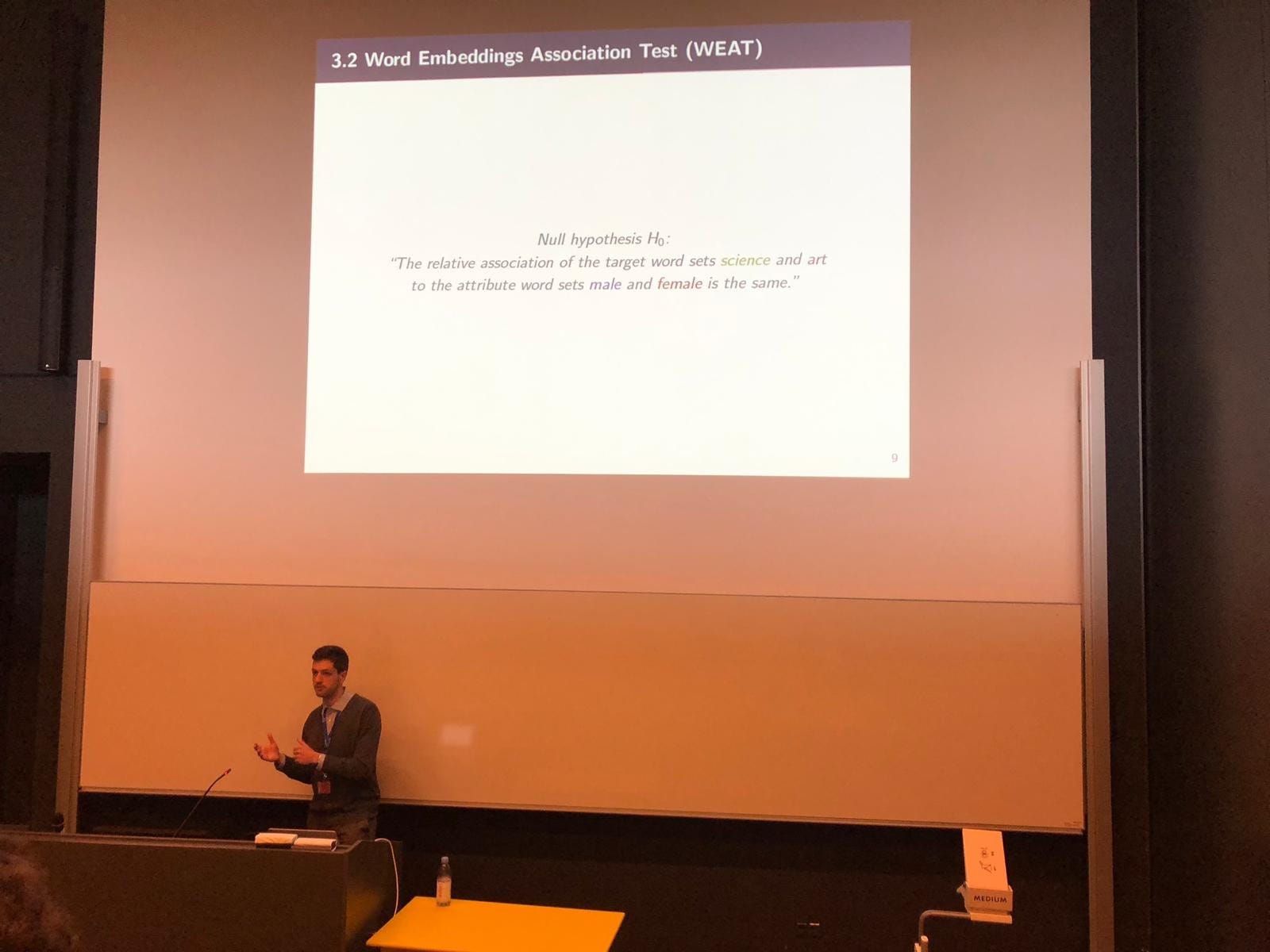
My background is in data science and software engineering. I have also worked as a researcher in ethical AI and neuroscience; if you are curious, you can find some of my published work here. As you might expect, I tend to approach things through patterns, evidence, and analytical thinking, or at least I try to :). Over time, I also developed an interest in literature, psychology, and philosophy.
Becoming a regular reader did not come naturally to me. As a teenager, I was impatient, got bored easily, and would quickly run away from that feeling of boredom. That made me an easy target for excessive social media use. I would fall into endless scrolling and come away feeling overstimulated, low on energy, emotionally irritable, and intellectually unfocused. As I got older, I also went through periods when my mental health was not at its best. During those times, I became increasingly aware of how often I escaped to YouTube, Facebook (yes, #boomer), or Instagram. These were not my only unhealthy habits, but they were among the ones I most wanted to reduce.
To be fair, social media also helped point me towards philosophy. Among all the outrage-driven and attention-hungry content, I occasionally found thoughtful posts about Stoicism, Carl Jung, existentialism, and Buddhist philosophy. I guess the algorithms had correctly identified my interest / need in self-development.
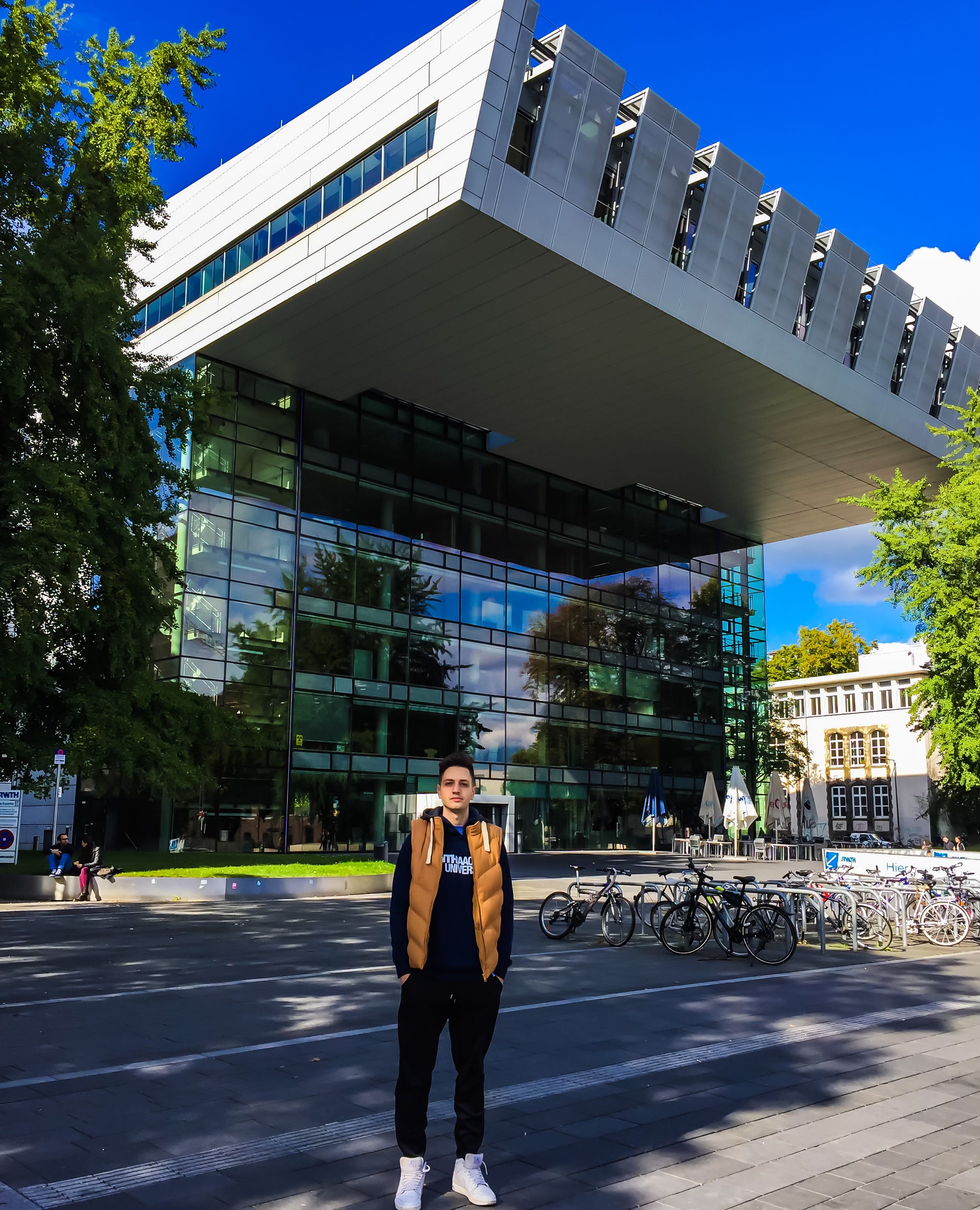
That curiosity grew when I moved from Serbia to Germany to study at RWTH Aachen, a university known for demanding engineering programmes that take you deep into the fundamentals of a subject. I have to admit, I felt pretty good about getting in. Part of me probably needed to prove that I could handle something difficult, and being there encouraged me to take on challenges rather than avoid them.
Studying in that environment also shaped how I approached philosophy. Summaries, videos, and self-help books could introduce an idea, but understanding it properly meant going deeper. At university, I learned the importance of working from the foundations: in programming, learning a language is not enough, as you also study the data structures and algorithms underneath it. A doctor learns anatomy and physiology before specialising, and an architect needs to understand materials and structure before designing a building (Not a doctor, nor an architect, but I assume this is the way it goes). Point that I want to make is that different fields have foundational knowledge that helps you understand what comes later.
I started to approach reading in the same way, which may explain my slightly pretentious bias towards classics. They are not inherently more valuable than every modern or self-help book, but they often contain ideas, questions, and literary foundations that later works build upon. I wanted to get closer to those sources by reading the original texts.
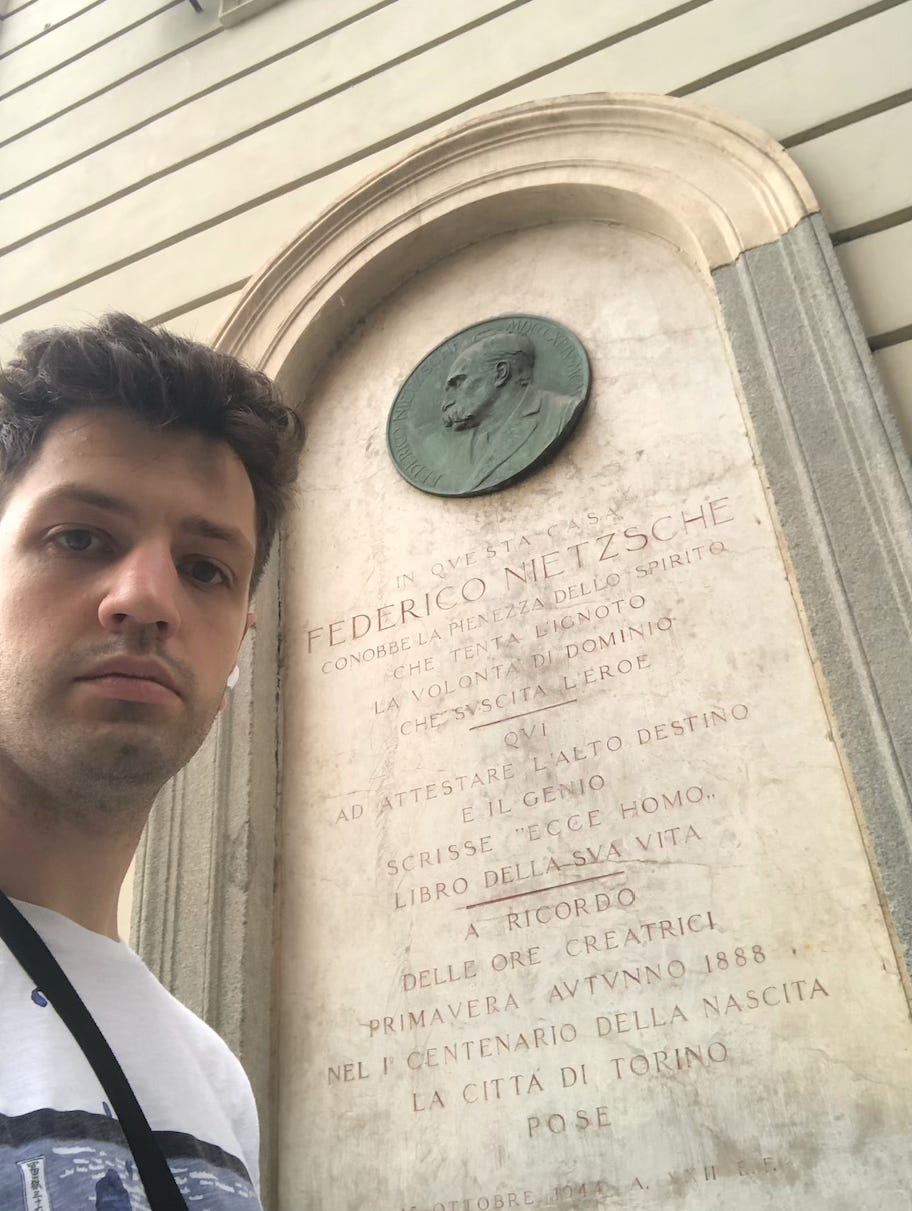
That led me first to philosophical works, where I learned about gratitude and perspective from Marcus Aurelius and began questioning values and assumptions through Nietzsche. These books initially felt less intimidating to me than novels because many of them are built from short reflections that can stand on their own. That suited both my curiosity and my limited patience, and it became my way into serious reading. Later, trusting that there was something valuable waiting inside those enormous Russian novels, I moved further into classic literature and encountered Dostoevsky’s explorations of honesty and human contradiction. From there, I became much more open to reading books I might previously have dismissed as too difficult or slow.
Saying that books are good is hardly a revelation (#duh #sherlock). What mattered to me was noticing how reading affected my everyday life. Books gave me new concepts, new ways to express myself, and a better vocabulary for experiences I had struggled to name. But they also made me practice a slower kind of attention. Spending a day moving between fast, dynamic videos feels very different from sitting with a static page that asks for patience and effort. I think of reading a little like physical training: it can strengthen attention, patience, and the ability to articulate a thought clearly. The change is gradual, and I am certainly still working on all three.
Audiobooks were useful too. I found that following a book by ear required a kind of attention I had not practised much before. I still lose the thread sometimes and have to rewind, but over time I think it has helped me become a somewhat more attentive listener. Hearing so many conversations between fictional characters has also given me unexpected lines and ideas to bring into real ones.
Alongside reading, I also started writing down my own thoughts. As an introvert, I spend quite a lot of time alone with them. Whenever something came to my mind that felt even a bit emotionally significant or revealing, I would try to write it down before it slipped from my mind. I gradually discovered then that I enjoyed turning scattered notes into clearer conclusions. Connecting ideas from books with ordinary experiences, reflecting on and interpreting them, questioning them, and seeing what remained useful became a habit I valued.
Eventually, inspired in part by Nietzsche’s emphasis on creating and overcoming, I decided to build something of my own. Outside my regular work, I spent many hours designing and developing Reflexio E-Books. I wanted to bring together my software engineering and data skills with a subject I genuinely cared about. Even if the project never became successful, the process itself would still be meaningful to me. More importantly, I wanted to work towards a positive goal: helping people make reading and reflection part of their lives, and perhaps improve their well-being along the way.
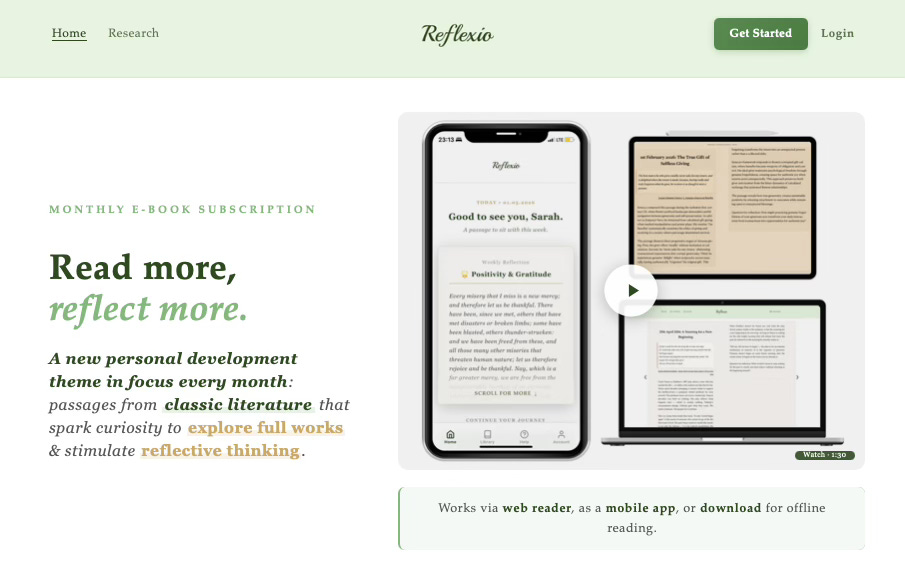
Reflexio is a monthly e-book subscription built around one personal-development theme at a time, such as courage, self-acceptance, or presence. Each edition brings together carefully selected passages from classic literature and philosophy, accompanied by interpretations and prompts for reflection. The idea is simple: replace five or ten minutes of scrolling with one meaningful passage, discover writers you may want to read more deeply, and gradually build a habit of reading and reflection.
I do not want this first post to turn into a sales pitch (even though I guess I did so a bit), so I will just leave it there. If you would like to learn more, you can visit reflexio-ebooks.com.
If you made it to the end, thank you for reading. I hope to write here more regularly about books, reflection, attention, and the experience of building Reflexio. But, in the spirit of honesty, let us see how it goes. :)